
By Saturday lunchtime the path between the main stage and the food stalls has become a brown river, and you are standing in it. Your boots went on Thursday. Your heels have started sending messages you would rather not read. How the next two days go depends less on how waterproof the rubber is than on what is happening inside those boots.
Fit Comes Before Everything Else
A welly that is too big causes more damage than one that is slightly tight. Every time your foot lifts, it slides, and every slide is friction against your heel and the ball of your foot. Multiply that by a full day of walking and standing, and you have a blister by Friday night.
You want a boot that holds the ankle without pinching, a toe box wide enough to wiggle your toes, and a heel that stays put. Try this in the shop or at home: put the boot on, stand up, and see how much your heel lifts inside the boot. A little movement is normal. If it slides up freely, you will rub — try a smaller size or a thicker insole.
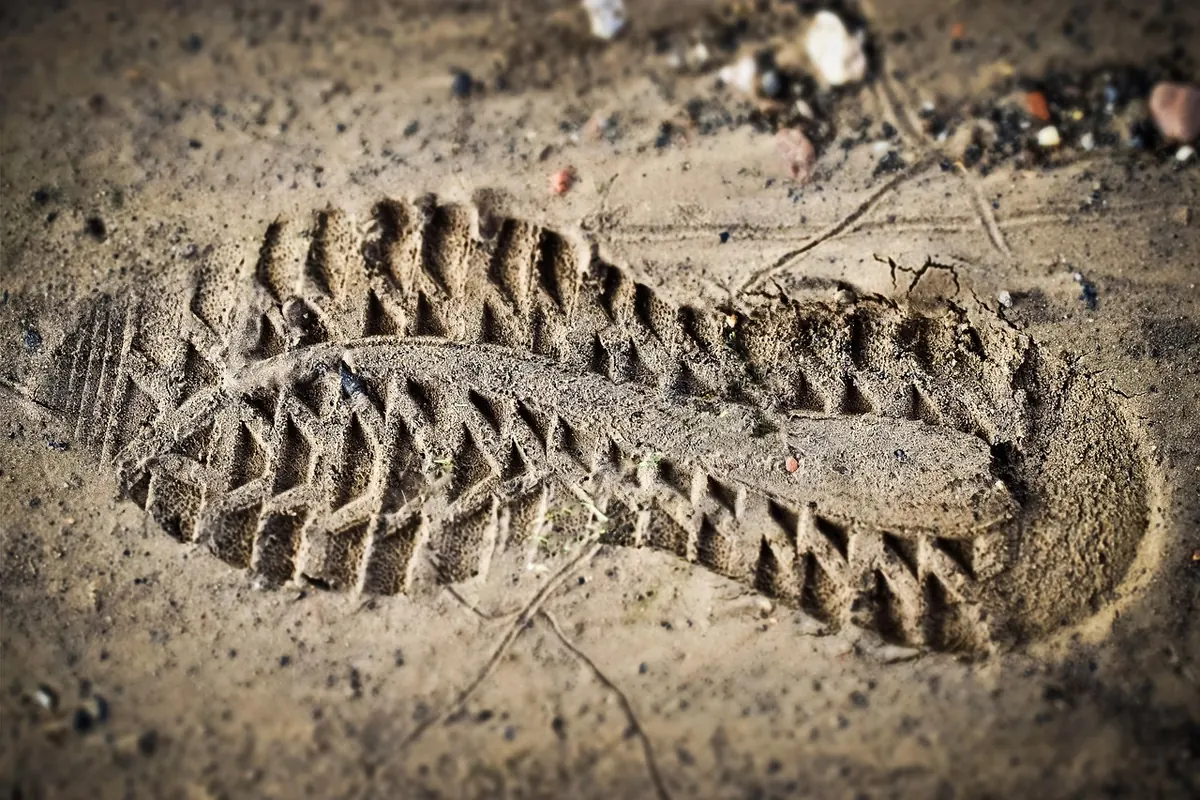
Height matters too. Mid-calf boots are the usual sweet spot for festivals: enough coverage for a knee-deep patch of mud, less heat and weight than a knee-high pair. Knee-highs earn their place on sites that flood, but they are warmer and harder work over a twelve-hour day. Tread is the detail people ignore. Look at the gaps between the lugs. Narrow gaps pack with clay and turn into slicks; deep, wide-spaced tread clears itself as you walk.
Wear them in before you go. Two evenings of dog walks and a trip to the shop will soften the rubber and show you exactly where they rub.
Socks Are Doing the Real Work
Cotton socks hold water, lose their shape and bunch up. Wet cotton against skin is a blister factory. Merino wool or a synthetic blend wicks, stays warm when damp, and keeps its shape all day. If you change one thing about your festival packing, change this.
Liner socks are the quiet trick. A thin, close-fitting liner under a thicker boot sock means the two fabrics rub against each other rather than against your skin. It sounds fussy. It works, and it costs very little.
- Two pairs per day, minimum. One on, one dry. If heavy rain is forecast, pack a third.
- A liner pair for each day — thin, synthetic, with no seam over your toes.
- Socks taller than the boot rim. A sock that ends where the rubber ends will rub that spot raw.
- A spare pair sealed in a bag, kept in your daypack rather than the tent.
- Baby powder or talc. A dusting on dry feet in the morning cuts friction and keeps things fresher.
Change socks the moment they feel damp, even mid-afternoon. It takes two minutes behind a tent and buys you hours of comfortable walking.
Insoles, Balm and Other Small Upgrades
Most wellies come with a flat foam insole that does very little. Replace it with a footbed that offers some arch support. Your feet will feel less punished by the evening, and if the boot is slightly roomy, a thicker insole takes up the slack and stops your foot sliding around.
Anti-chafe balm deserves a place in your bag. Apply it to dry skin — heels, the sides of your big toes, your arches — before the socks go on, not after the damage is done. A quick dab on each heel in the morning is a habit that pays for itself by Sunday.
Hot Spots: Deal With Them in Minutes
The first sign of a blister is a hot spot: a patch that feels warm, tender and slightly raw. Stop and cover it. Not tonight — now. Sit on your bag, dry the area, and put a blister plaster or a piece of padded tape over it. Left for another three hours of dancing, a hot spot becomes a real blister, and those end weekends.
For a blister that has not broken, a hydrocolloid dressing is the usual choice: it cushions, stays put for a day or more, and is best left until it peels off on its own. Do not burst it. If a blister has already opened, keep it clean, cover it, and change the dressing daily. Seek medical advice if you notice spreading redness, heat, swelling, pus, streaks, or if you feel feverish. If you have diabetes, poor circulation, or anything that slows healing, treat foot problems as urgent and speak to a pharmacist or doctor rather than toughing it out.
Making Peace With the Mud
Festival mud is heavy, and it grabs. By day two your boots can weigh twice what they did on Thursday. Two habits help. First, sit down to remove them and use your other foot, a boot jack or a friend to hold the heel. Second, keep mud out of your sleeping space: a plastic bag or shallow tray outside the door for boots, and dry shoes or thick socks waiting inside.
Rinse the worst of the mud off at the end of each day, if there is a tap or a puddle handy. Mud left on rubber dries, stiffens and eventually cracks it, and mud tracked into the lining keeps the inside damp and cold. Then dry them properly: pull the insoles out, tip the boots upside down so water can drain, and stuff them with crumpled newspaper, swapping it for fresh paper before you sleep. Never dry wellies beside a fire or heater — rubber softens and warps, and a ruined boot means a long walk home.
Wearing shorts? Mud flicks over the boot rim and runs down your socks. Tuck trousers over the top of the boot, or tape the join if the ground is really bad.
Pacing Yourself Across Three Days
Feet recover when they are off the ground and dry. Sit down more often than feels natural. Back at camp, get the boots off, wash your feet if you can, dry carefully between the toes, and let the skin breathe. If you have room for two pairs of wellies, alternate them: one drying while the other works.
Do not walk around the arena barefoot, even for five minutes. Festival ground collects glass, sharp metal and worse, and a cut foot ends the weekend faster than any blister.
The Nightly Routine That Buys You Another Day
- Rinse the mud off your boots and pull out the insoles.
- Stand the boots upside down to drain, then add newspaper and change it before bed.
- Wash and dry your feet, paying attention between the toes.
- Check heels, toes and arches with a headtorch or phone light, and cover any hot spot now.
- Balm the places that rubbed today, before they rub again tomorrow.
- Put tomorrow's socks and one spare pair in a sealed bag, ready to grab.
None of this takes more than a few minutes, and it is the difference between a Sunday spent dancing and a Sunday spent limping back to the car. Look after the inside of the boots, and the outside will take care of itself.
Photo: 652234 / Pixabay